 Blau-Weiss Linz Hub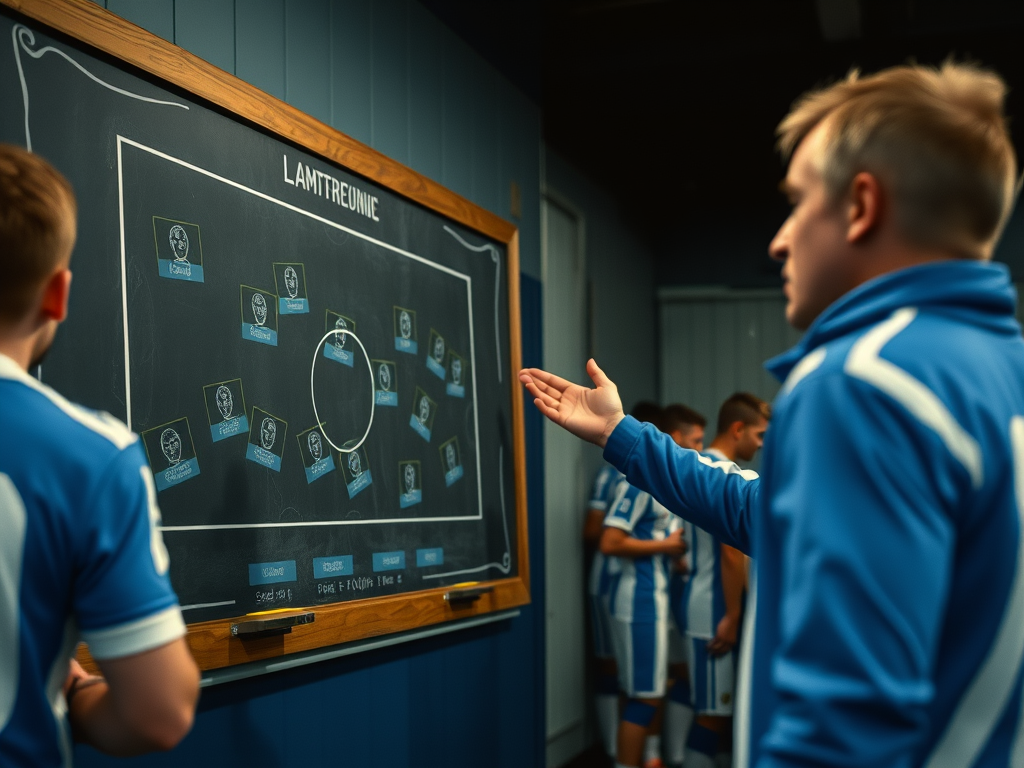
In recent weeks, Blau-Weiß Linz has delivered performances that hint at their potential but lack the consistency needed to climb the league table. The 4-2-3-1 formation has served as the backbone of the team, but subtle tweaks could elevate their game significantly.
Strengths and Weaknesses of the Current Formation
The 4-2-3-1 system provides a robust structure, with two defensive midfielders offering protection to the back line while allowing the attacking trio to create chances. This formation has allowed Die Blau-Weißen to maintain possession and control the midfield during stretches of play. However, the rigidity in this setup can be a double-edged sword. Opponents have exploited the flanks, finding gaps between the full-backs and the wingers.
Suggested Tactical Adjustments
1. Fluidity in Attack: Encouraging the wingers to cut inside more frequently could create additional space for overlapping full-backs. This would not only stretch opposing defenses but also allow for more direct goal-scoring opportunities. Utilizing the pace and dribbling ability of players like Maximilian Wöber on the left can be pivotal in breaking down compact defenses.
2. Dynamic Midfield Roles: The current double pivot of Dominik Reiter and Thomas Kofler has been largely effective, but introducing a more dynamic midfielder who can push forward and support the attack could add a new dimension. A player like Lukas Kragl, if fit, should be encouraged to make late runs into the box, thereby catching defenders off-guard and providing additional goal-scoring threats.
3. Pressing Strategy: Implementing a more aggressive pressing strategy could turn the tide in matches where the team has struggled to regain possession. By initiating pressure higher up the pitch, Blau-Weiß Linz could capitalize on defensive mistakes and create scoring opportunities from turnovers. The likes of Lukas Kuster and Stefan Meusburger could play crucial roles in executing this strategy effectively.
4. Defensive Cohesion: While the attacking changes are essential, defensive organization remains paramount. The center-back pairing of Timo Rottger and Yusuf Demir needs to communicate more effectively to ensure they can cover any weaknesses exposed by high pressing. Additionally, emphasizing zonal marking during set pieces could help mitigate the risk of conceding from dead-ball situations.
Conclusion
With these tactical adjustments, Blau-Weiß Linz can harness their potential and transition from a team with flashes of brilliance to one that consistently challenges for points in the league. The upcoming fixtures present an opportunity for coach Michael Köllner to implement these changes and solidify the team's identity, fostering a sense of resilience and adaptability that will be crucial as the season progresses.